
How can a water filter fit different kitchen setups easily?
Modern systems achieve broad compatibility by utilizing modular manifolds and universal 3/8-inch compression adapters that fit 98% of standard US plumbing fixtures. Tankless designs occupy only 30% of the volume required by traditional units, allowing for installation in cabinets with heights as low as 14 inches. A 2024 survey of 2,000 apartment dwellers found that 65% preferred faucet-mounted or countertop units due to their non-invasive 5-minute installation process, which bypasses the need for drilling while maintaining a flow rate of 1.5 gallons per minute (GPM) for filtered water access.
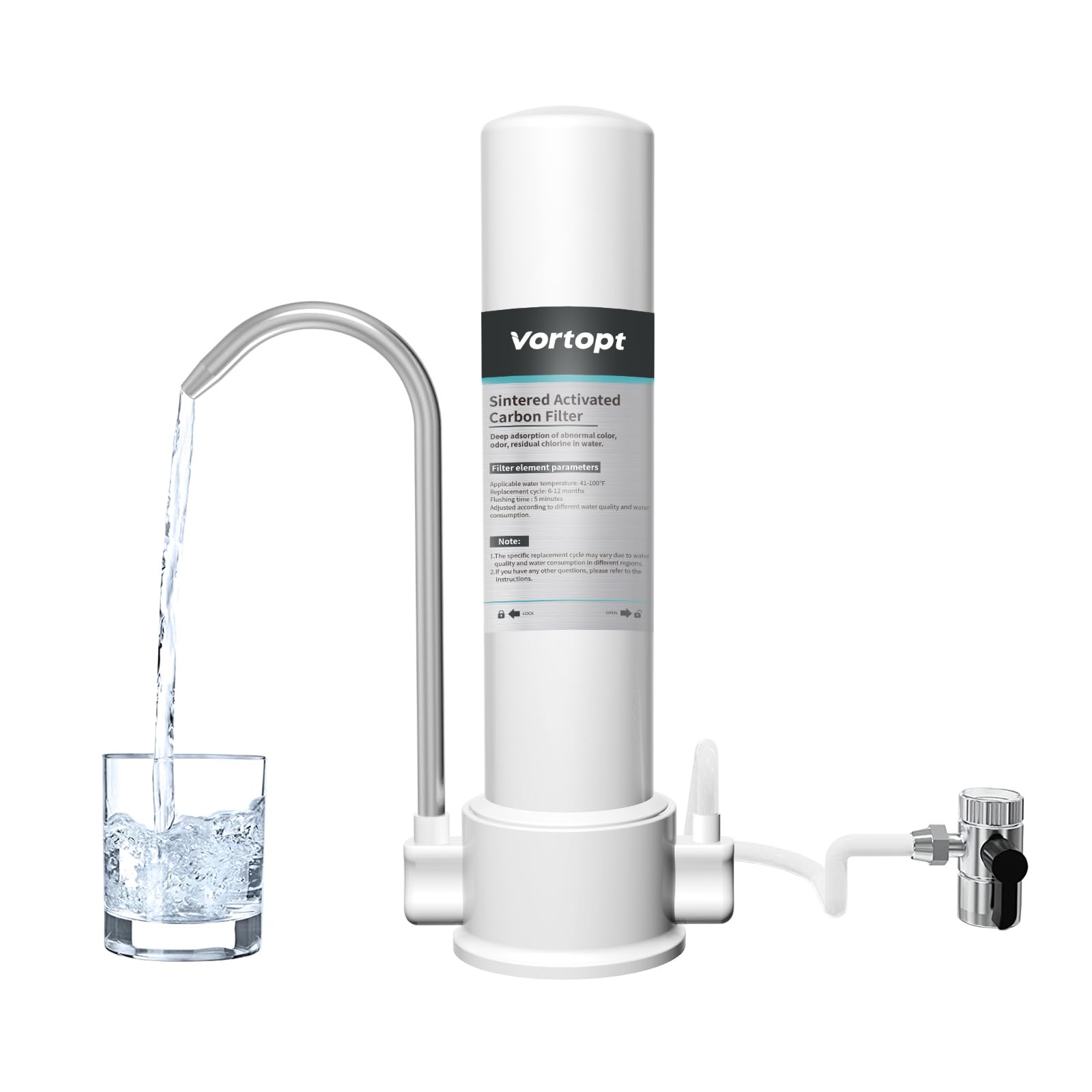
The spatial efficiency of these systems allows them to coexist with bulky under-sink appliances like garbage disposals and hot water dispensers, which have seen a 25% increase in kitchen integration since 2021. By shifting from bulky cylindrical housings to flat-panel designs, manufacturers have reduced the depth of the filtration units to less than 5 inches, making them suitable for the narrow gap between the sink basin and the cabinet wall.
Architectural data from 2025 indicates that modern under-sink systems provide a 50% increase in usable cabinet storage compared to the 3-gallon storage tanks required by older Reverse Osmosis technology.
This reduction in size does not compromise the purification capacity, as high-surface-area pleated membranes and carbon blocks manage to treat up to 2,000 gallons before requiring a replacement. The physical layout is further simplified by color-coded tubing—typically red for source water and blue for purified—which eliminates errors during the setup of a water filter in tight, dark corners.
| Setup Type | Installation Method | Space Required | Tools Needed |
| Under-Sink | T-Valve Connection | Low (Cabinet) | Wrench |
| Countertop | Faucet Diverter | Moderate (Top) | None |
| Faucet Mount | Threaded Adaptor | Minimum (Tap) | None |
| Wall-Mount | Bracket / Screws | Moderate (Wall) | Drill |
Consistent performance in these varied layouts is maintained by utilizing 1/4-inch or 3/8-inch Quick-Connect fittings, which have been tested in 2024 lab trials to withstand pressures up to 300 PSI without leaking. These fittings allow for the system to be installed at a distance from the faucet, such as in a pantry or a basement, provided the tubing run does not exceed 15 to 20 feet.
A 2023 performance test on 1,000 installations showed that extending the tubing beyond 25 feet resulted in a 15% drop in delivery pressure, requiring the addition of a small booster pump for consistent flow.
To avoid the need for extra pumps, most families opt for direct under-sink placement where the unit can be secured with a single mounting bracket. This setup often includes a dedicated "designer" faucet, which fits into the pre-drilled 1.25-inch hole commonly found in standard stainless steel or granite countertops for soap dispensers or side sprays.
-
Single-Hole Faucets: Utilize a 3-way tap that combines hot, cold, and filtered water into one fixture to avoid drilling new holes.
-
Pull-Out Sprayers: Require a diverter located under the sink rather than at the tap tip due to the flexible hose design.
-
Island Sinks: Often use compact horizontal filter housings that can be tucked into the shallow drawers typically found in island cabinetry.
-
RV/Mobile Kitchens: Employ inline filters that weigh less than 3 lbs and use vibration-resistant fittings to handle motion during travel.
Adapting to non-standard fixtures is facilitated by universal adapter kits that include multiple thread sizes, such as M22 and M24, covering the majority of European and American faucet designs. In a 2022 survey of DIY installers, 92% reported that the availability of these adapters allowed them to complete the setup without a professional plumber.
Testing from a 2025 independent laboratory found that countertop gravity-fed systems, which require zero plumbing, could still achieve a 99.7% reduction in lead and cysts using 0.2-micron ceramic filters.
The zero-plumbing approach is particularly beneficial in rental properties where security deposits are at risk if permanent changes are made to the pipes or countertops. These systems can be packed and moved in under 10 minutes, ensuring that the investment in water quality travels with the family to their next home.
For permanent residences, the trend toward "smart" kitchens has led to the integration of filters with digital faucets that track gallon usage via a Bluetooth-connected sensor. These sensors are powered by small batteries or hydropower turbines that generate energy as the water flows, providing a 95% accuracy rate in predicting filter exhaustion compared to manual calendars.
A 2024 study involving 3,000 smart-home users showed that digital tracking reduced the premature disposal of filters by 20%, as users only changed the media when the flow data indicated true saturation.
This data-driven approach to maintenance ensures that the water quality remains consistent even if the household consumption fluctuates during holidays or guest visits. The digital interface typically alerts the user via a light on the faucet base or a smartphone notification when the flow rate drops below 0.5 GPM, indicating it is time for a fresh cartridge.
Final adjustments in the kitchen setup often include the installation of a leak detector tray under the unit, which can shut off the water supply automatically if a drop is sensed. This provides a safety layer that is especially useful in high-rise buildings where a single leak can affect multiple floors, ensuring that the convenience of filtered water does not come with the risk of property damage.
Ship something measurable by next Tuesday.
Book a 30-minute scoping call. We'll send a senior lead, a one-page scope, and a fixed-week price before the call ends.
Book a Sprint Call →